

In the mechanical equipment R&D and production, the motor selection determines overall machine stability and production cost. Many engineers select motors empirically, mistakenly believe that higher power equals better performance or it passes inspection if it rotates properly for application, which leaving hidden troubles of breakdowns.
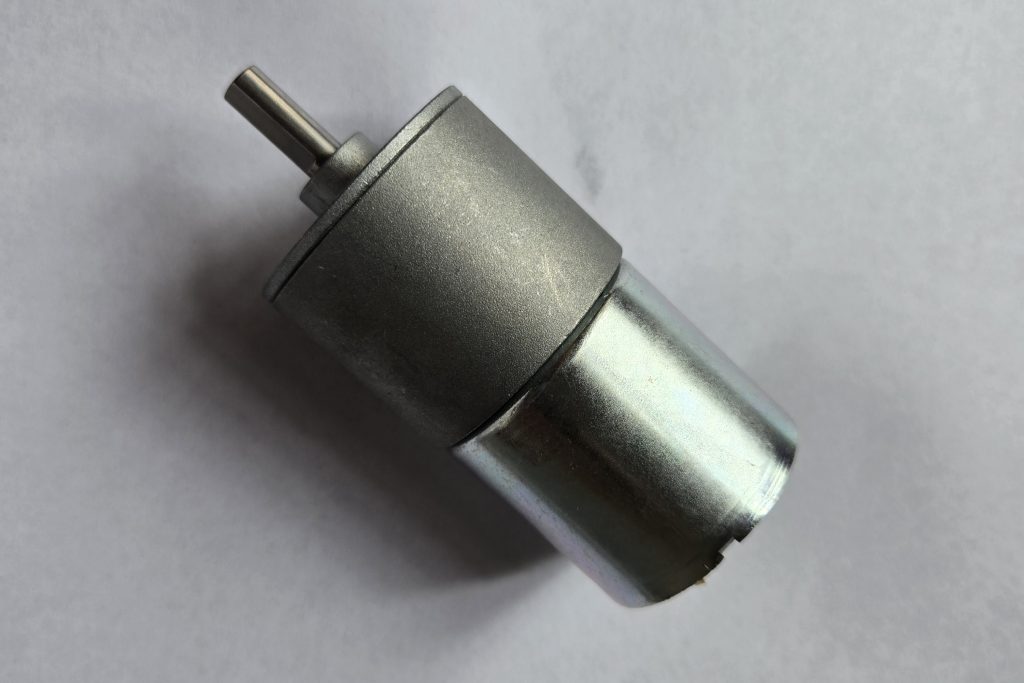
A motor including dc planetary gear motor cannot be chosen separately from load structure, transmission components and drive controller. If parameters such as torque, rotational speed, or rated power do not match actual operating conditions, the design advantages of the entire system are nullified, and subsequent rework entails a waste of time and materials.
Selecting a motor with insufficient torque leads to startup stalling and frequent coil burnout due to overloads; but excessive torque raises procurement cost and wastes energy during no-load operation. A mismatch between rated speed and terminal load requirements lead to adding reduction gear structure but increasing mechanical consumption,or damaging the positioning precision. Estimating power based solely on experience, while ignoring load characteristics and duty cycles, often causes frequent overheating and protective shutdowns during operation. Compared with post-production repair and component replacement, parameter matching and integrated mechatronics design in early selection is the most cost-effective solution.
1. Systematic Matching of Three Core Parameters
1.1 Torque Matching: Distinguish between rated, starting, and peak torque
Calculate the actual load torque first. For constant-torque load such as conveyor belts and material handling equipment, the motor’s rated torque shall be no less than 1.2 times of rated load torque.For applications involving instantaneous shock loads such as stamping or crushing ,the peak torque capacity must accommodate 2 to 3 times the instantaneous overload to prevent motor damage caused by sudden load spikes.
1.2 Speed Matching: Calculating motor speed based on load speed
You are advised to avoid blindly choosing high-speed motors.Instead, determine the required motor rated speed by working backward from the load’s output speed taking into account transmission ratios (such as those of synchronous belts or gears). Excessive motor speed necessitates additional transmission components, thereby increasing the risk of failure and power loss.
1.3 Power Matching: Calculate Power via Torque-Speed Formula
Calculate the rated power by formula of T=9550P/n ,combine with the constant-torque, constant-power or variable-torque features as well as continuous/short-time/intermittent duty cycles and reserve 10%~15% safety margin on the calculated basic power to avoid under or oversized power configuration.
2. Integrated Mechatronics Design: Match Motor, Driver and Load as One Unit
Break the traditional idea of picking motor and driver separately. The integrated design logic starts from the equipment actual working curve to deduce required torque-speed range, then select matched drive controller and control scheme for closed-loop mechanical & electrical matching.
– Improve overall equipment performance such as fast response during start-stop, stable rotating speed without drift to eliminate insufficient startup power and operating shake.
– Cut full-lifecycle maintenance cost like that properly matched motors run within high-efficiency range with low heat generation and slow component aging, lowering maintenance & spare part replacement expenses.
– Eliminate later reconstruction cost like that accurate parameter selection avoids later motor replacement, driver modification and extra heat dissipation installation to save after-sales debugging cost.
3.In Conclusion
Motor selection is a systematic electromechanical project instead of simple specification checking from catalogs. Torque, speed and power are mutually coupled and form a complete system together with transmission parts and drive controllers. Time spent on working condition analysis and parameter verification in early stage prevents huge hidden costs such as total equipment failure or frequent post-sales repair.
Getting motor selection right once is far more economical and efficient than repeated optimization after it has entered production.